When considering home decor, the relationship between furniture hues and flooring can significantly influence a room's ambiance. Specifically, "What color furniture goes with dark wood floors" is a question that many homeowners ponder. Dark wood floors offer a rich, timeless appeal, creating a warm foundation for various design styles. However, the challenge lies in selecting complementary furniture colors that enhance rather than clash with the flooring.
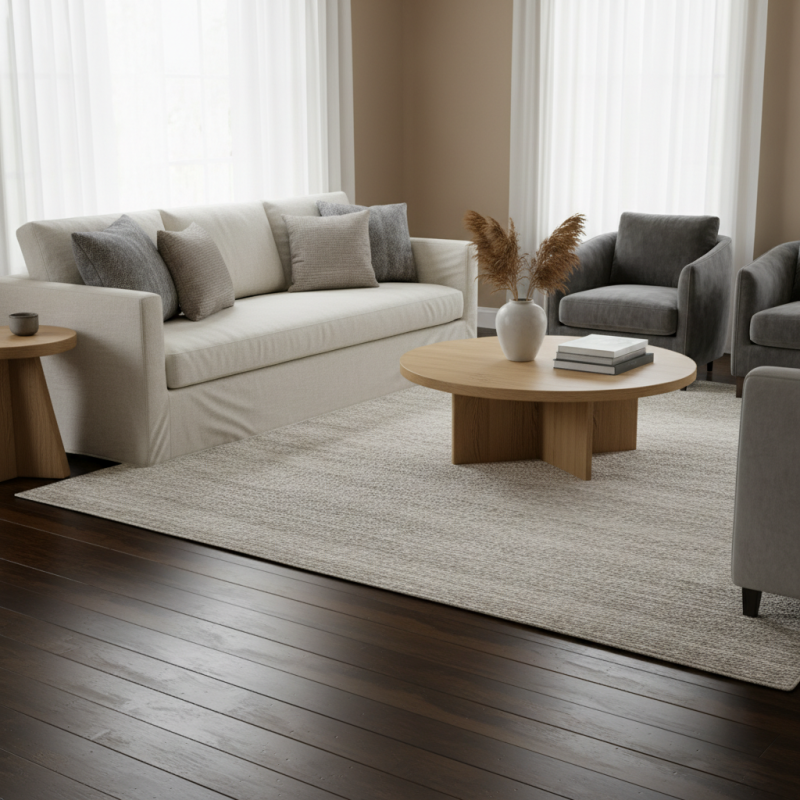
Light and neutral tones often work best, providing contrast without overpowering. For example, cream, beige, or soft gray furniture can create a soothing balance. On the other hand, bold colors like jewel tones can add vibrancy, making a striking statement. However, caution is essential. Too much contrast can risk creating a disjointed look. It’s equally important to consider the wood’s undertones. Dark woods may have warm or cool hues, which can affect your color choices.
Ultimately, achieving harmony between furniture and flooring is a thoughtful process. It involves experimenting with textures and colors. Perhaps you’ll find that your initial preferences don’t always lead to the best outcomes. This exploration can be challenging but rewarding, revealing unique combinations that resonate with personal style.
Understanding the Impact of Dark Wood Floors on Interior Design
Dark wood floors add depth and elegance to any space. However, they can also create challenges in interior design. Choosing the right colors for your furniture becomes crucial. The contrast between dark wood and lighter shades can elevate the room's overall aesthetic. Soft whites and pale grays work well, bringing a fresh feel. These colors can brighten the room, making it feel larger.
Consider deeper hues too. Deep jewel tones like emerald and sapphire create a dramatic look. They add a touch of luxury against dark floors. But be careful—too many dark elements can make the room feel heavy. Balance is key. Adding lighter accents, such as cushions or art, can prevent a monotonous palette.
Remember texture matters. A blend of materials can create a dynamic space. Pairing leather with soft textiles introduces warmth. Rethink the choice of colors and textures throughout the room. Ensure each piece complements the dark wood floors, without overwhelming them. Experimenting can lead to surprising results.
Color Psychology: How Colors Influence Mood and Perception
Choosing the right colors for furniture can greatly impact the overall mood of a space, especially with dark wood floors. According to a report by the Color Association of the United States, colors like soft pastels and rich jewel tones effectively contrast with dark wood, creating a balanced look. Bold hues like teal or mustard yellow can invigorate a room, while softer shades promote tranquility.
Color psychology plays a crucial role in design. For instance, blue is often associated with calmness, making it ideal for spaces meant for relaxation. This is supported by research from the University of Texas, which indicates that cool colors can lower heart rates and increase feelings of peace. Meanwhile, warm colors like red or orange might stimulate energy, but they can also overwhelm if overused.
The interplay between color and wood tones can be tricky. If too many vibrant colors are used, they might clash, leading to visual chaos. A stark contrast between dark floors and overly bright furniture can feel jarring. Testing color swatches in natural light is advised, as colors appear differently in varied lighting. Reflecting on your personal preferences and how certain colors make you feel is key to achieving a harmonious space.
Best Color Choices for Sofas and Chairs in Dark Wood Settings
Choosing the right colors for sofas and chairs can significantly enhance a space with dark wood floors. Dark woods, such as walnut or mahogany, create a rich backdrop. According to the American Society of Interior Designers, soft neutrals are among the top color choices. Shades like beige, cream, and light gray offer a striking contrast.
For a bolder choice, deep blues and greens can be striking. These colors add depth and sophistication. A report by the International Design Society highlights that jewel tones like emerald and sapphire are increasingly favored. They can serve as statement pieces in a room filled with dark wood. However, finding the right balance is crucial. Too many dark hues can create a cavernous feel.
Textures matter just as much as color. Fabrics such as velvet or linen can introduce warmth and tactile interest. A tactile contrast can alleviate the heaviness of dark floors. Industry experts suggest that incorporating varied textures fosters visual appeal. Yet, it’s wise to avoid overwhelming the space with too many competing elements. A mix of solid and patterned cushions can be a thoughtful integration.
Best Colors for Furniture with Dark Wood Floors
| Color |
Description |
Mood |
Best Complement |
| Light Gray |
A soft, neutral shade that balances the richness of dark wood. |
Calm and Contemporary |
Bright accents like yellow or teal. |
| Cream |
Warm and inviting, it adds a sense of brightness. |
Warmth and Comfort |
Subtle warm tones like peach. |
| Navy Blue |
Rich and elegant, providing a stunning contrast. |
Sophistication and Depth |
Metallic accents for a modern touch. |
| Olive Green |
Earthy and grounded, it brings the outdoors in. |
Relaxed and Nature-Inspired |
Natural wood or soft whites. |
| Burgundy |
A deep, rich color that adds warmth and luxury. |
Warmth and Elegance |
Gold or brass accents enhance richness. |
Accent Colors: Enhancing Spaces with Accessories and Décor
Choosing the right accent colors can significantly elevate the look of rooms with dark wood floors. Dark wood provides a warm, rich foundation but can feel heavy without the right touches. Light and vibrant colors often stand out against the dark backdrop, creating a balanced aesthetic. Soft whites, light grays, or muted pastels can soften the visual weight. These shades help brighten the space, making it feel more inviting.
Incorporating accessories and décor is essential. Think about throw pillows, rugs, and artwork. A bright yellow or teal pillow can introduce life to a dark sofa. Layering textures adds depth and interest. For instance, a knitted throw or a silky cushion can create contrast. Consider the overall theme of the space. Does it need a pop of color or subtle variations? Reflection is key. Sometimes, a color that seems stunning in the store may clash at home. Experimenting with different hues, like coral or seafoam, can lead to unexpected delights. Keep an open mind; what feels off at first may become a favorite.
Balancing Brightness: Tips for Choosing Lighter Shades for Balance
Choosing lighter colors for furniture with dark wood floors can create a stunning contrast. Dark floors can absorb light, making rooms feel smaller. To combat this, lighter shades can help to reflect light and create a more open atmosphere. According to a 2021 interior design report, 65% of homeowners reported feeling larger spaces when incorporating light-colored furniture against dark floors.
Neutral shades such as whites, creams, and soft grays work exceptionally well. They help to soften the heaviness of dark wood. Light pastels, like soft blues or greens, can add a hint of color without overwhelming the space. Research from the American Institute of Architects indicates that using lighter furniture can enhance a room’s brightness by up to 30%. However, too many light colors can make a space feel flat. Balance is key, and integrating textures or patterned accents can help achieve depth.
Consider the interplay of different shades in your space. Keeping lighter furniture in muted tones can prevent a stark contrast that feels disjointed. A poorly balanced palette may lead to a sense of confusion in design. Aim to experiment with various shades and textures before finalizing your choices. Every room is unique, and what works for one may not work for another. Finding the right balance can be an ongoing journey.
FAQS
: Dark wood floors add elegance but can make spaces feel heavy.
Soft whites, pale grays, and light pastels brighten and balance the space.
Yes, deep jewel tones add luxury, but too many dark elements can overwhelm.
Mixing textures, like leather and soft textiles, creates warmth and interest.
Bright accent colors provide contrast, lightening the visual weight of dark floors.
Lighter shades reflect light and keep rooms feeling open; avoid too many similar tones.
Balance prevents a disjointed look; too much light color can feel flat and uninviting.
Experiment with different hues; what seems off may become a favorite later.
Layering textures adds depth, creating a more dynamic and inviting space.
Not necessarily; each element should complement and contribute to the overall feel.
Conclusion
When considering "what color furniture goes with dark wood floors," it's essential to understand the overall impact of dark wood on interior design. Dark wood floors create a rich, elegant backdrop that can influence the mood and perception of a space. Choosing the right colors for sofas and chairs is crucial; lighter tones like creams, soft grays, or pastels can provide a beautiful contrast, brightening the area while maintaining harmony.
In addition to the main furniture pieces, incorporating accent colors through accessories and décor can further enhance the space. Bold hues can add personality and warmth, but balancing these with lighter shades is vital to ensure the room does not feel heavy. By thoughtfully selecting colors that complement dark wood floors, you can create a stylish and inviting atmosphere in your home.

 Living Land Furniture