Choosing the right size dining table is crucial for any home. It affects the flow of your space and your overall dining experience. Many people wonder, "How to pick the perfect dining table size for my space?" This question considers not just dimensions, but also the environment and personal habits.
Begin by measuring your area. Ensure enough room to move around. A table too large can make a space feel cramped. If it's too small, it might lack functionality. Consider the number of people you usually host. This will help simplify your decision.
Styles vary, so think about your aesthetic. Do you prefer a cozy, intimate setting or a grand dining experience? Visualizing the table in your home can help. Remember, finding the right size can feel overwhelming. Reflect on what works best for your lifestyle.
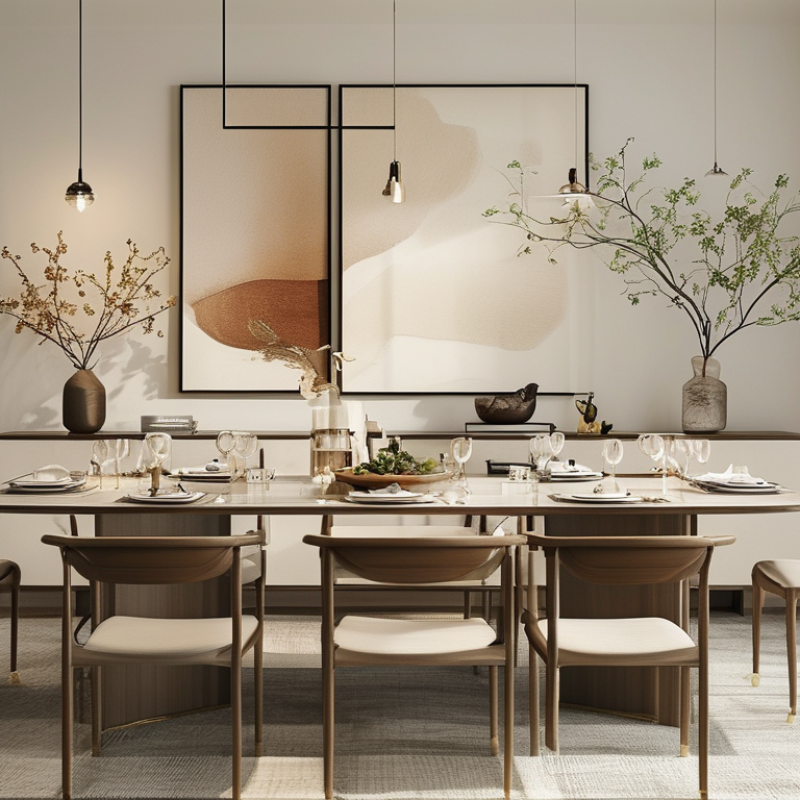
When measuring your dining area, begin by assessing the available space. Take into account doorways, windows, and pathways. Consider how people walk around the table. A clear path is crucial for ease of movement. It’s unwise to crowd the area. A table that’s too large can create a cramped feeling.
To measure effectively, use a tape measure. Start by measuring the length and width of the dining room. After that, subtract space for walking. A good rule of thumb is to leave at least 36 inches between the table and walls or furniture. This ensures comfortable chair movement. Pay attention to the scale of your furnishings too.
Think about the number of guests you usually entertain. Bigger tables can accommodate more chairs, but an oversize table may feel lonely with just a few people. Visualizing the setup can help. Tape out the table's dimensions on the floor to see how it fits. A well-measured dining area can transform your dining experience.
Choosing the right dining table shape is crucial. It deeply influences the room's aesthetics and functionality. Round tables often foster conversation, as they eliminate sharp corners. They work well in smaller spaces, making them feel cozy. These tables can accommodate more people without feeling crowded.
On the other hand, rectangular tables are great for larger gatherings. They offer a classic look and can easily fit into long, narrow dining rooms. However, they may not offer the best flow for intimate discussions. There's something to consider: how often do you host large dinners? If infrequently, a round table might suit you better.
Square tables can be an excellent middle ground. They provide a sense of balance in a space. However, their symmetry can sometimes feel less inviting. You may find them limiting in terms of seating flexibility. Think about your daily needs. Are you seating four or six most days? Reflect on your lifestyle and choose wisely.
| Table Shape | Dimensions (L x W) | Seating Capacity | Ideal Room Size | Style Recommendation |
|---|---|---|---|---|
| Rectangular | 72" x 36" | 6-8 | 150-250 sq ft | Modern/Contemporary |
| Round | 60" Diameter | 4-6 | 100-200 sq ft | Casual/Farmhouse |
| Square | 48" x 48" | 4 | 80-150 sq ft | Contemporary/Minimalist |
| Oval | 72" x 48" | 6-8 | 150-250 sq ft | Traditional |
| Rectangular (Extended) | 96" x 42" | 8-10 | 200-300 sq ft | Elegant/Formal |
Choosing the right size dining table is crucial for your home. Consider the seating capacity required for your family and guests. A standard table accommodates four to six people. If you frequently host gatherings, ensure space for additional seating. Aim for at least 24 inches of space per person for comfort.
Measure your dining area before making a decision. The table should be proportional to the room size. Leave at least 36 inches of space around the table for movement. A cramped area can feel uncomfortable. Opting for a round table might maximize space efficiency in smaller rooms.
Reflect on how you use your dining space. Do you prefer casual meals or formal dining? The style and layout should reflect your lifestyle. A less-than-ideal table might lead to a crowded feel. Take your time. Test out different options in your space if possible.
When selecting a dining table, the height is crucial. Standard dining tables are typically between 28 to 30 inches tall. This height accommodates most dining chairs, which often range from 17 to 19 inches in seat height. However, many people overlook how table height can transform the dining experience. According to a study by the American Society of Interior Designers, improper table height can lead to discomfort during meals.
Comfort plays a significant role in dining. A well-designed table should allow for a clearance of 10 to 12 inches between the chair seat and the table's underside. This spacing helps diners sit comfortably without feeling cramped. Research indicates that when diners are comfortable, they tend to spend 20% more time at the table, enhancing social interactions and enjoyment of meals.
Additionally, consider the overall design and aesthetic of your dining space. A table that is too high can dwarf a room, while one that is too low can feel awkward and uninviting. Industry guidelines suggest that the dining area should maintain a cohesive blend of proportions. Reflect on how your chosen table height works with your chairs and room scale. Balancing these aspects can lead to a more inviting dining atmosphere.
When choosing a dining table, the style and material can profoundly affect your home's decor. According to a recent report by the American Home Furnishings Alliance, 67% of consumers consider aesthetics crucial when selecting furniture. A wooden table adds warmth and a sense of tradition, while glass can create an airy feel, especially in smaller spaces. For a contemporary home, a sleek metal frame may also be appealing.
Consider how materials interact with your existing decor. If your space features a lot of natural elements, a reclaimed wood table might harmonize beautifully. Conversely, if your style leans towards minimalism, a simple, round glass table could be the perfect fit. Mixing materials can also yield striking results, like pairing wood with metal or upholstered chairs.
Choosing the right size is also vital. A table should allow at least 36 inches of space around it for movement. For larger families, a rectangular table may work better, while smaller households might prefer a round or square option. Reflect on how often you entertain guests. If hosting is frequent, a larger table encourages gatherings. Remember, your dining table is more than just furniture; it’s a focal point for family and friends.
This bar chart represents the recommended dining table sizes based on the number of people typically seated, comparing small, medium, and large tables.
: Use a tape measure to find the length and width. Subtract space for walking.
Aim for at least 36 inches between the table and walls or furniture for comfort.
A standard table fits four to six people. Consider space for additional seating if hosting often.
Leave at least 24 inches per person for comfortable seating.
Wood for warmth; glass for an airy feel. Metal suits contemporary designs well.
Tape out the table's dimensions on the floor to see how it fits.
Yes, round tables can maximize space in smaller areas.
Consider if you prefer casual or formal dining when choosing style and layout.
An oversized table can make the space feel lonely and crowded with few people.
Yes, materials should complement existing decor, balancing warmth and modern elements.
Choosing the right size dining table is essential for creating a comfortable and functional dining space in your home. To start, you'll need to assess your area by accurately measuring the dining space, ensuring there’s enough room for movement around the table. Next, consider which table shape best suits your needs—whether it’s round, square, or rectangular—as this will affect both aesthetic and usability.
When thinking about seating capacity, remember to account for comfort, allowing enough space for diners to sit and move freely. Table height is another critical factor that can significantly influence your dining experience, so selecting the right height is paramount. Lastly, explore various styles and materials to find a table that complements your home’s decor. By following these guidelines, you’ll be better equipped to answer the question: "How to pick the perfect dining table size for my space.

Living Land Furniture