Wooden furniture is a timeless investment, often cherished for its beauty and durability. However, its susceptibility to scratches poses a significant challenge. Recent studies suggest that nearly 70% of homeowners have experienced damage to their wooden furnishings, leading to a loss in value and aesthetics. Knowing how to protect wooden furniture from scratches is essential for maintaining its appeal and longevity.
Experts recommend several effective strategies for safeguarding these pieces. For instance, applying protective coatings can significantly reduce vulnerability. A survey by the American Furniture Manufacturers Association indicates that properly maintained furniture can retain up to 90% of its original value after ten years. However, many owners overlook routine care, resulting in premature wear and tear.
Protective pads, coasters, and regular cleaning play a vital role in this process. Ignoring small scratches can lead to more extensive damage, which may require professional repair. Homeowners should be proactive. Embracing preventive measures is crucial to ensuring the lasting beauty of wooden furniture. By understanding how to protect wooden furniture from scratches, owners can enhance both the longevity and visual appeal of their cherished pieces.
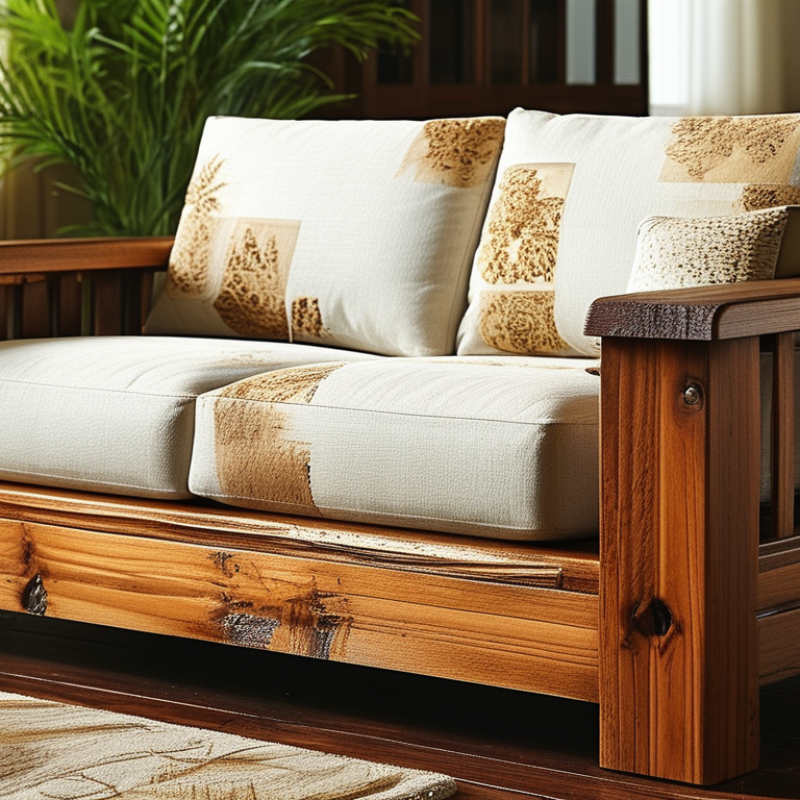
Wooden furniture adds elegance to any room, but scratches can ruin its beauty. To effectively protect your wooden pieces, start by using coasters under drinks and plates. This simple action prevents water rings and heat damage. Consider felt pads under objects that might slide or scratch the surface. It’s a small effort that can save your furniture from unsightly marks.
Regular cleaning also plays a vital role. Dust your furniture weekly with a soft, dry cloth to remove grit that can cause scratches. For deeper cleaning, use a damp cloth followed by a dry one. However, over-wetting can harm the wood. If you notice minor scratches, try using a touch-up marker or a DIY mixture of olive oil and vinegar for a quick fix. Remember, no method is perfect, and some scratches may still appear over time. Embrace the character your furniture gains with age while actively working to maintain its beauty.
| Tip | Description | Effectiveness |
|---|---|---|
| Use Coasters | Place coasters under drinks to prevent moisture and scratches. | High |
| Furniture Pads | Attach felt pads to the bottom of furniture legs to avoid scratches on floors. | High |
| Regular Cleaning | Dust furniture regularly to prevent particles that can cause scratches. | Medium |
| Use Soft Cloths | When cleaning, always use soft, lint-free cloths to avoid scratching the surface. | High |
| Avoid Direct Sunlight | Keep furniture away from direct sunlight to prevent fading and cracking. | Medium |
| Use Furniture Wax | Apply wax periodically to create a protective layer against scratches. | High |
: Polyurethane is highly recommended for its durability and scratch resistance. Many professionals suggest it for high-traffic areas.
Oil-based finishes are popular but often lack the scratch resistance of polyurethane. They may not be ideal for busy spaces.
Water-based finishes dry quickly and emit fewer VOCs. However, they can be less durable compared to traditional options like polyurethane.
Wax finishes provide some scratch resistance but require frequent reapplication, making them less practical in busy homes.
Yes, using a walnut or a mixture of vinegar and olive oil can help mask small scratches effectively.
Avoid harsh chemicals that can damage the finish. Regular dusting is also important to prevent further scratches.
Many people now consider environmental impact alongside durability when choosing a finish for their furniture.
No, while quick fixes can conceal scratches, they often do not restore the furniture's original finish completely.
Yes, regular maintenance is crucial for preserving the beauty and longevity of your wooden furniture.
The choice of finish often reflects personal lifestyle needs, balancing aesthetics with functionality for the best results.
To effectively answer the question of "how to protect wooden furniture from scratches," it is essential to implement a combination of strategies that ensure the longevity and beauty of your pieces. Start by utilizing essential tips such as avoiding placement in high-traffic areas, and choosing the right finish that acts as a barrier against potential damage. Protective covers and pads should be used in daily scenarios, especially during meals or gatherings, to minimize contact with abrasive surfaces.
Regular maintenance practices are crucial in preserving the integrity of wooden furniture, including dusting and applying suitable wax or polish. For minor scratches that do occur, quick fixes can be employed, such as using a wood repair marker or a mixture of vinegar and olive oil to blend the imperfections. By following these guidelines, you can maintain the elegance of your wooden furniture while effectively minimizing scratches.

 Living Land Furniture