When it comes to interior design, selecting the right furniture based on ceiling height is essential. Renowned interior designer, Sarah Thompson, emphasizes, “Choosing the right scale in furniture can transform a space.” Her insights guide homeowners on how to pick furniture that fits my ceiling height.
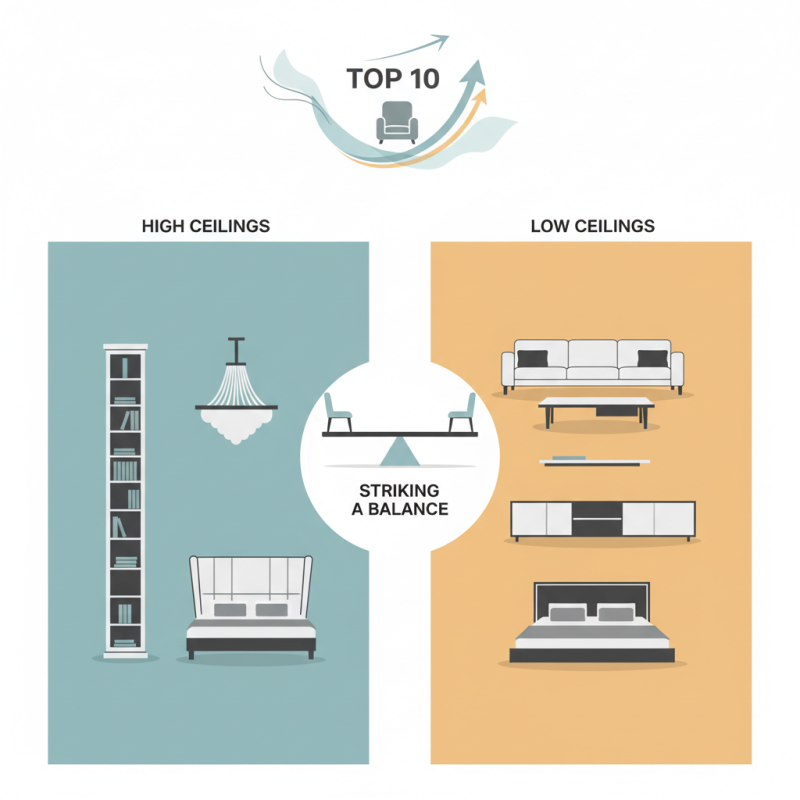
Ceiling height significantly impacts the overall aesthetic and functionality of your living space. High ceilings can easily accommodate larger pieces, while lower ceilings may benefit from lower-profile furniture. For instance, a tall bookshelf might overwhelm a room with standard eight-foot ceilings, while sleek, low furniture can make the area feel more inviting.
It's crucial to strike a balance. A room with disproportionate furniture can feel cramped or disproportionately empty. Thoughtful consideration of ceiling height helps ensure your choices enhance rather than hinder the space. Remember, every home is different, and reflecting on your specific environment is key.
Understanding the Impact of Ceiling Height on Furniture Selection
When selecting furniture, ceiling height is a crucial factor. Tall ceilings open up space, allowing for larger, more elaborate furniture designs. For instance, oversized armchairs or tall bookshelves can enhance the room's grandeur. High ceilings also provide the opportunity for dramatic lighting fixtures. However, you must ensure that these pieces don’t overwhelm the space. Balance is key.
In contrast, low ceilings can make a room feel cramped. Here, furniture choices should focus on lower profiles. Opt for sleek, slimline pieces that draw the eye upwards. Light colors create the illusion of more space. Avoid bulky items that can weigh down the aesthetic. Another consideration is the placement of mirrors. They can reflect light and create a sense of height, but they need to be positioned thoughtfully.
Finding furniture that complements your ceiling height is not always straightforward. Misjudgments can lead to a disjointed look. It might feel tempting to ignore these proportions. However, prioritizing them will elevate your design. Reflect on your choices. Are they working with or against your ceiling height? This awareness can transform an ordinary room into a well-balanced sanctuary.
Measuring Your Ceiling Height: Key Steps for Accurate Assessment
When it comes to selecting furniture, knowing your ceiling height is crucial. Start by measuring the distance from the floor to the ceiling in multiple areas of the room. Use a tape measure for accuracy. Record the highest and lowest points. This step is essential, as uneven ceilings can affect furniture placement.
Consider the proportions of your chosen furniture in relation to your ceiling height. For rooms with high ceilings, taller furniture can create balance. A bookshelf or a tall cabinet can fill vertical space effectively. Low-profile furniture might get lost in a spacious room. However, always ensure the furniture does not overwhelm the space or make it feel cramped.
Additionally, think about the functionality of the room. A cozy living room may benefit from lower couches that invite relaxation. In contrast, a formal dining area could use a more elegant, tall table to complement the height of the ceiling. There’s a fine line between style and practicality, and sometimes your choices may require reevaluation.
Ultimately, the goal is to create a harmonious environment where the ceiling height enhances the room’s overall appeal.
Choosing Furniture Scale: Balancing Proportions with Ceiling Height
When selecting furniture, considering ceiling height is crucial. Higher ceilings offer more vertical space, allowing for taller and more dramatic pieces. A large bookshelf or a tall cabinet can enhance the sense of openness. However, overloading a room can create a feeling of clutter, making it uncomfortable. Balance is key.
For lower ceilings, opt for furniture that complements the dimension. Low-profile sofas or wide coffee tables work well. They draw the eye horizontally, creating a sense of spaciousness. Avoid tall lamps or artwork that can dwarf the room. It’s important to keep scale in mind. Choose items that harmonize with the space without feeling cramped.
In smaller rooms, you may be tempted to fill every corner. While a cozy look is appealing, too much furniture can stifle movement. Aim for fewer but impactful pieces. Reflect on how each item fits within the overall design. Striking the right balance can transform a space, making it inviting and functional.
Design Styles that Complement High or Low Ceilings
When decorating a space, the ceiling height plays a crucial role in selecting furniture. For rooms with high ceilings, choose pieces that complement the vertical space. Tall bookshelves or floor-to-ceiling curtains can draw the eye upward, creating a cohesive look. Large furniture, like sectional sofas or oversized coffee tables, fills the area well, ensuring proportionality. However, it’s essential not to overcrowd. High ceilings can make spaces feel cold if not balanced with warmth.
In contrast, low ceilings require careful selection to avoid feeling cramped. Opt for furniture with low profiles. A low-profile sofa or an open-legged coffee table helps maintain an airy feel. Light colors and soft fabrics will keep the room feeling spacious. Mirrors can create an illusion of height, but placing them correctly can be tricky. You might reconsider their positions after testing different setups. Also, avoid tall bookcases, as they can bring the ceiling down visually.
Both styles demand different approaches to enhance harmony. Understand that it’s not just about aesthetics; it’s about how the room functions. Learn from past mistakes, and don’t hesitate to experiment. Each choice shapes the environment, revealing how form and function coexist in your home.
Top 10 Tips for Choosing Furniture Based on Ceiling Height
| Tip Number |
Tip Description |
Ideal Ceiling Height |
Recommended Furniture Style |
| 1 |
Choose light colors to create an airy feel. |
Low ceilings |
Minimalist |
| 2 |
Incorporate vertical designs to draw the eyes upward. |
High ceilings |
Art Deco |
| 3 |
Select multi-functional furniture to maximize space. |
Varies |
Contemporary |
| 4 |
Use low-profile furniture to create a spacious look. |
Low ceilings |
Scandinavian |
| 5 |
Add tall bookshelves to enhance vertical space. |
High ceilings |
Traditional |
| 6 |
Incorporate low lighting to avoid a cramped feel. |
Low ceilings |
Industrial |
| 7 |
Use oversized art pieces to fill empty wall space. |
High ceilings |
Eclectic |
| 8 |
Opt for furniture with exposed legs for an open feel. |
Low ceilings |
Modern |
| 9 |
Use mirrors to enhance the sense of height. |
Varies |
Transitional |
| 10 |
Layer rugs to create levels of interest. |
Varies |
Bohemian |
Maximizing Space: Tips for arranging Furniture in Relation to Ceiling Height
When arranging furniture, consider the importance of ceiling height. Low ceilings can create a sense of confinement. Opt for lower furniture pieces to maintain an open feel. A sleek sofa or a low-profile coffee table can keep the space airy. Light colors in upholstery also add to this effect, reflecting more light.
In contrast, high ceilings offer a chance for bold choices. Tall bookshelves or statement artwork can draw the eye upwards. However, too many high items can feel overwhelming. It's essential to balance height with lower elements. Use rugs or shorter furniture to ground the space. Combining various heights adds interest but can be tricky to achieve. Experiment with different arrangements to find what works best.
Be mindful of clutter, particularly in smaller rooms. A crowded space can feel oppressive, regardless of ceiling height. Leave some areas open to allow for easy movement. Use floating shelves to save floor space. This can create vertical storage without compromising the room's flow. Consider the overall harmony between your furniture and the ceiling. Thoughtful arrangements enhance not just aesthetics but also the comfort of your living environment.
Top 10 Tips for Choosing Furniture Based on Ceiling Height
This chart illustrates the recommended furniture heights based on different ceiling heights. Choosing the right furniture according to the ceiling height can help maximize space and enhance the overall aesthetic of your room.
FAQS
: Ceiling height influences the size and style of furniture. Higher ceilings suit taller items, while lower ceilings require lower-profile pieces.
Oversized armchairs, tall bookshelves, and dramatic lighting fixtures enhance the grandeur of high ceilings.
Avoid bulky items and tall furniture, as they can make spaces feel cramped and uncomfortable.
Light colors create an illusion of more space and help keep the atmosphere airy and open.
Overloading a room with too much furniture can create clutter and hinder movement, making spaces feel oppressive.
Mirrors reflect light and can create a sense of height, but their placement needs to be thoughtful.
Be aware of how each piece fits the ceiling height; prioritize proportions to enhance your overall design.
Combining various heights adds visual interest but requires careful arrangement to avoid overwhelming the space.
Aim for fewer impactful pieces to avoid stifling movement; open spaces enable more comfort.
Thoughtful arrangements increase aesthetics and comfort, making spaces more enjoyable to live in.
Conclusion
When considering how to pick furniture that fits my ceiling height, it is essential to understand how ceiling height impacts furniture selection. Start by accurately measuring your ceiling height to ensure you choose pieces that complement your space. Selecting furniture with appropriate scale enhances the room’s proportions and creates a balanced aesthetic. For high ceilings, opting for taller or more vertical designs can draw the eye upward, while low ceilings may benefit from lower-profile furniture to avoid a cramped feel.
Additionally, different design styles can enhance the ambiance of a room based on its ceiling height. For instance, minimalist pieces work well in spaces with low ceilings, while elaborate designs can add character in rooms with substantial height. Finally, arranging furniture strategically is crucial to maximize space; consider how each piece interacts with the ceiling height to create an inviting atmosphere. By following these tips, you can effectively choose furniture that harmonizes with your ceiling and enhances the overall design of your home.

 Living Land Furniture