10 Tips to Make a Small Dining Room Look Bigger with Furniture?

Time:2026-08-25 Author:Liam
0%

In today's fast-paced world, many homes feature small dining rooms. According to a recent survey by the National Kitchen & Bath Association, over 60% of homeowners seek to maximize their space. It's crucial to understand how to make a small dining room look bigger with furniture.

Using furniture wisely can significantly change a room's perception. For instance, light-colored furniture can enhance openness, while oversized pieces may overpower a small area. A study from the American Society of Interior Designers shows that well-placed mirrors and multifunctional furniture can create an illusion of space.

However, it's essential to balance aesthetics and functionality. Not all tips will fit every home. Some suggestions may even feel cramped if not executed correctly. Reflecting on personal style and room layout is key. Each choice impacts the dining experience, shaping the atmosphere for family gatherings and social events.
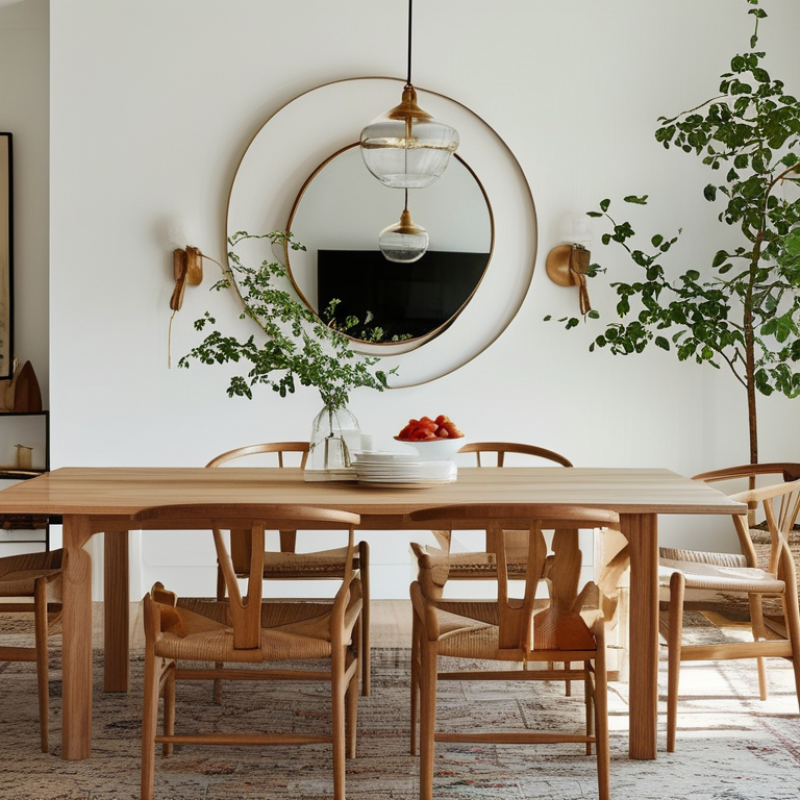
10 Tips to Make a Small Dining Room Look Bigger with Furniture?

Choosing the Right Furniture Scale for Your Small Dining Room

Choosing the right furniture scale is crucial for making a small dining room feel more spacious. Many homeowners overlook this aspect, leading to cluttered and cramped spaces. A study by the American Society of Interior Designers found that using appropriately sized furniture can make a room appear 30% larger. This highlights the importance of not over-filling the area with oversized pieces.

Selecting a dining table that is not too wide can significantly improve flow. A circular table not only saves space but also encourages conversation. Benches can fit under tables, offering flexibility while freeing up room when not in use. Keep dining chairs lightweight and stackable, ensuring easy movement and storage. This practice allows for more open space, contributing to a less congested environment.

Moreover, consider transparent furniture. Acrylic or glass pieces visually expand the space without dominating it. The use of lighter colors in upholstery can also enhance the feeling of openness, making a room feel airy. However, it’s essential to strike a balance—too much transparency can lead to a sterile feel. Remember that an inviting dining room blends functionality with aesthetics while maintaining comfort.

Incorporating Multi-Functional Furniture for Space Efficiency

Creating a small dining room that feels spacious requires smart furniture choices. Multi-functional furniture is key to achieving this goal. One option is a dining table that extends. When not in use, it can remain compact, creating more floor space. A round table can also facilitate a better flow and movement around the room. Choosing lighter colors for your dining set can enhance brightness, giving an illusion of a larger area.

Incorporating storage solutions is vital. Benches with built-in storage can provide seating and space for items. Folding chairs are another efficient choice. They can be tucked away when not used. This flexibility allows the room to breathe, preventing a cramped feeling. Consider using wall-mounted shelves, which draw the eyes upward, further opening up the space.

Mirrors can also play a vital role in making a small dining room feel larger. They reflect light and create depth. Situating a mirror opposite a window can amplify natural light. However, be cautious with oversized mirrors; they can overpower a small space if not placed thoughtfully. Each piece of furniture must be considered for its function and size, ensuring it contributes to a sense of openness without being overwhelming.

Utilizing Color and Light to Create an Illusion of Spaciousness

Creating the illusion of spaciousness in a small dining room often hinges on the effective use of color and light. According to a report by the American Society of Interior Designers, lighter colors can make a room feel over 20% larger. Soft shades of white, pastel blue, or pale gray can open up a space. Using these colors not only reflects more light but also keeps the room feeling airy.


Integrating natural light into your decor can further enhance the feeling of openness. Adding sheer curtains can help diffuse light without obstructing it. Research indicates that rooms with abundant natural light can boost mood by 25%. Mirrors also play a critical role; placing a sizable one across from a window can reflect light and visually expand your dining area.


Consider how the arrangement of furniture affects perception. Choose multi-functional pieces that don’t crowd the space. Though it might be tempting to fill the room with large tables and chairs, doing so can create a constricted feel. Instead, opt for slender designs that allow for flow and functionality. Balancing your color palette with strategically placed lighting can transform even the smallest dining areas into inviting, larger-looking spaces.

Arranging Dining Room Elements for Optimal Flow and Accessibility

Creating a well-arranged dining room can enhance both flow and accessibility. The right layout can make a small space feel open and inviting. Start by choosing a round table. A round table promotes easier movement, allowing guests to mingle without obstruction. You might also consider using transparent or light-colored furniture. This choice visually expands the space while maintaining essential functionality.

Reduce visual clutter by strategically placing large pieces of furniture. Keep the dining table away from the walls to create flow. This approach allows for better circulation. Incorporating multi-functional furniture can also help. For instance, a bench can provide seating while offering storage solutions below. Ensure pathways are at least 36 inches wide. This width is critical for comfortable movement without feeling cramped.

Mirrors can be powerful tools in a small dining room. They reflect light and create an illusion of depth. Hang a large mirror on one wall to maximize this effect. However, be cautious not to overdo it. Too many reflective surfaces can feel disorienting. Don't forget lighting; it plays a vital role in creating an impression of space. Use soft, ambient lighting to soften the atmosphere. With careful arrangement, you can create a functional and pleasant dining environment.

Selecting Transparent and Minimalist Designs to Open Up the Space

Selecting transparent and minimalist designs can significantly enhance the perception of space in a small dining room. Recent studies indicate that using light colors and transparent materials, such as acrylic or glass, can create an illusion of openness. According to the American Society of Interior Designers, homes featuring such designs are seen as more inviting and airy, improving the overall experience. Transparent furnishings allow light to flow through the room, reducing visual clutter and making it feel larger.

Minimalist designs can also effectively maximize utility. Choosing furniture with clean lines and simple forms can eliminate distractions in the space. For example, a round table in a transparent material can encourage movement around it, promoting a more expansive atmosphere. Interestingly, a survey from Houzz found that homeowners who opted for minimalist decor reported feeling less cluttered and more relaxed in their dining spaces. This not only supports a visual aesthetic but can also contribute positively to mental well-being.

While the concept of open space may appeal to many, it can be challenging in practice. Homeowners may struggle with sacrificing traditional, bulky furniture for space-saving options. Reflecting on one's personal needs versus design ideals is crucial. Not everyone can adapt easily to such changes, and that is a valid concern. However, embracing transparency and minimalism can open up the dining area, allowing for fresh perspectives.

FAQS

: How can I make a small dining room feel larger?

: Use appropriately sized furniture. Avoid oversized pieces that can clutter the room.

What type of dining table is best for small spaces?

A circular table works well. It saves space and encourages conversation.

Are there specific designs that enhance the perception of space?

Yes, transparent pieces like glass or acrylic can make the area feel more open.

How do colors impact the feel of a dining room?

Lighter colors can make a room feel over 20% larger. Soft whites or pastel shades help.

What role does lighting play in a small dining room?

Natural light creates an airy feel. Consider sheer curtains to diffuse light without blocking it.

Can mirrors help in a small dining area?

Yes, mirrors reflect light and can visually expand the space when placed across from windows.

Should I focus on furniture versatility?

Multi-functional pieces help keep the room from feeling crowded. Choose designs that promote flow.

Is minimalism always the best choice for decor?

Minimalist designs can reduce distractions. However, personal comfort is also important to consider.

What should I reflect on before choosing transparent furniture?

Think about your personal needs versus design ideals. Some may struggle with less traditional pieces.

How can I balance aesthetics and comfort in my dining room?

Combine functionality with inviting decor. Ensure your space feels welcoming and maintains comfort.

Conclusion

To effectively address the question of how to make a small dining room look bigger with furniture, it is essential to focus on a few key strategies. First, selecting furniture that is appropriately scaled for the space can prevent overcrowding while still providing necessary functionality. Incorporating multi-functional pieces, such as benches with storage or extendable tables, can enhance space efficiency.

Moreover, utilizing light hues and reflective surfaces can create an illusion of spaciousness, while thoughtful arrangement of dining elements promotes optimal flow and accessibility. Finally, opting for transparent or minimalist designs can help to visually expand the area, allowing your small dining room to feel more open and inviting. By thoughtfully choosing and arranging furniture, you can transform a limited space into a spacious dining experience.

Liam

Liam

Liam is a dedicated marketing professional with a profound expertise in the industry, where he excels at highlighting the unique advantages of our core products. With a keen understanding of market trends and consumer needs, Liam frequently updates our company’s professional blog, providing......